
Common Appliance Problems in Plymouth Homes
A dryer that takes two full cycles to dry a load in a Manomet single-family home is more than an inconvenience — it runs up the electric bill and can point to a blocked vent that needs attention before it becomes a fire risk. Across Plymouth's mix of older houses and newer construction, appliance problems tend to show up in predictable ways.
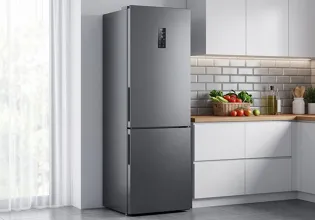
- Refrigerators stop cooling evenly, often because condenser coils are caked with dust in a basement or garage installation where airflow is already tight.
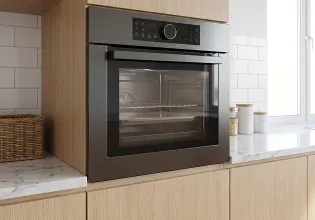
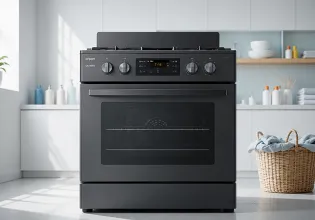
- Gas stoves and ovens fail to ignite or heat unevenly — worth checking promptly, since a faulty gas valve is not something to leave overnight.
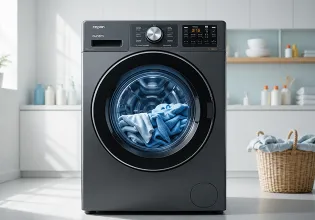
- Washers leak from supply hoses that have been connected for years without replacement. In older Plymouth homes, the shutoff valve behind the machine can be corroded enough that it no longer closes fully.
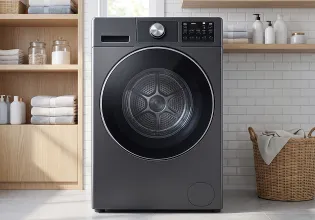
- Dryers run but produce no heat. Sometimes the heating element has failed; sometimes lint has packed the vent line, especially when the dryer sits in a finished basement and the vent runs a long path through the wall to the outside.
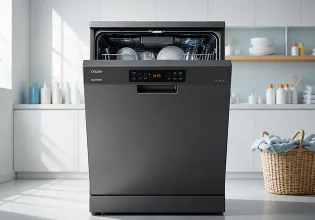
- Dishwashers leave standing water at the bottom of the tub — usually a clogged drain hose or a failed pump, but occasionally a garbage disposal knockout plug that was never removed during installation.
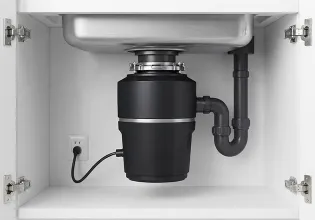
- Garbage disposals jam or hum without spinning, often from a utensil or bone fragment wedged in the grind ring.
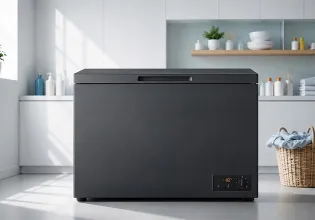
- Freezers build excess frost or warm up gradually, which can mean a failing door gasket or a defrost timer that has stopped cycling.
Local Utility, Permit, Safety, and Disposal Factors in Plymouth
If you need to replace a gas stove or install a new dryer outlet in Plymouth, the work does not start with ordering the appliance. It starts with permits. The Plymouth Inspectional Services Division issues gas, electrical, and plumbing permits for appliance installation and replacement work in the town. A gas permit is required any time a gas stove, oven, or gas dryer is connected or swapped out. Electrical permits apply when new wiring or a new dedicated circuit is involved — which is common when upgrading from a standard range to a larger electric model that draws more power. Plumbing permits cover dishwashers, washing machines, and garbage disposals because those appliances tie into water supply and drain lines. Before any of that work happens, ask whether the installer has pulled the permit. If they have not, you are the one left with a code liability.
Under the Massachusetts State Plumbing and Gas Fitting Code, gas connections must be made by a licensed gas fitter and plumbing connections by a licensed plumber. That is state law, not a suggestion. Unlicensed work on a gas line is a code violation, and it puts the household at risk. The same applies to electrical work: the Massachusetts Electrical Code 527 CMR requires a licensed electrician and a permit through Inspectional Services for appliance-related wiring. Electric ranges and dryers need dedicated circuits that meet specific amperage requirements. In an older Plymouth home where the breaker panel is already close to capacity, this is not a formality — it is the step that prevents an overloaded circuit from tripping repeatedly or, worse, overheating inside the wall.
Inspectional Services Division
26 Court Street
Plymouth, MA 02360
Phone: (508) 747-1620
Official Website
Safety is the other side of the same coin. The Plymouth Fire Department fire prevention guidance addresses two appliance hazards that come up regularly: carbon monoxide from malfunctioning gas appliances and dryer vent fires from lint buildup. Massachusetts law requires carbon monoxide detectors in every Plymouth residence, and that requirement is especially important in homes with gas stoves, ovens, or dryers. If a gas oven starts producing a strange smell or a yellow flame instead of blue, shut it off and call for service. Dryer vents that run through interior walls or make multiple turns tend to collect lint faster, and a blocked vent is one of the most common causes of residential fires nationwide.
Plymouth's municipal water and sewer system, managed by the Plymouth Water and Sewer Division, serves the appliances in your home that depend on water connections — dishwashers, washing machines, refrigerators with ice makers, and garbage disposals. Water pressure and the condition of supply lines can affect how well a washer fills or whether a dishwasher cleans properly. In some of the town's older homes, galvanized supply lines have narrowed over time, reducing flow to the point where a new dishwasher underperforms from the day it is installed. If a technician diagnoses low water pressure as the root cause of poor appliance performance, it may be worth having a plumber inspect the supply lines rather than replacing the appliance itself.
What Makes Appliance Repair in Plymouth Different
Plymouth is the largest town by land area in Massachusetts, and that size changes the math on appliance service. A technician driving from a job in Cordage to the next call in Ellisville may cover more ground than a service run across an entire smaller South Shore town. The housing stock varies just as widely — a 1920s cottage near Plymouth Center with a cramped galley kitchen and an original fuse box presents a completely different repair job than a 2010s home in Pinehills with a modern panel and an open-plan layout. Not every building is set up the same way, and the age gap between the oldest and newest homes in town is larger than in most neighboring communities.
When an appliance in Plymouth cannot be repaired and replacement is the answer, the disposal step is not as simple as rolling the old unit to the curb. Large appliances are classified as bulky items by the town and must be scheduled for pickup separately from regular trash collection through Plymouth Department of Public Works solid waste and recycling. Refrigerators and freezers require refrigerant recovery under EPA rules before they can be disposed of. Plymouth also operates a transfer station and recycling drop-off facility, which gives residents a second option — but either way, the old appliance does not go out with the weekly bags.
Appliance Replacement and Household Equipment Considerations in Plymouth
When a repair estimate approaches half the cost of a new appliance, most homeowners start thinking about replacement. That is a reasonable threshold, but in Plymouth the next steps involve more than picking a model and scheduling delivery. If the new appliance uses a different fuel type — switching from an electric range to gas, for example — you will need a gas permit from Inspectional Services and a licensed gas fitter to run the line and make the connection. Even a like-for-like swap can trigger a permit if the existing wiring or plumbing needs to be modified. Ask the installer before the work begins, not after.
Disposing of the old unit takes planning. You cannot leave a dead refrigerator at the curb on regular collection day. Bulky item pickups must be scheduled separately through the Department of Public Works, and appliances with refrigerants need proper handling before they are hauled away. The town's transfer station is another option for drop-off. Either way, factor the disposal step into your timeline so the old machine is not sitting in the garage for weeks.
Garbage disposal installations deserve a specific mention. Because disposals connect to both the water supply and the sewer drain, they fall under Plymouth's plumbing permit requirements and must comply with the town's sewer connection rules. A licensed plumber handles the connection, and the permit is pulled through Inspectional Services. It is a small appliance, but the permitting step is the same as for a full-size dishwasher.
Massachusetts consumer protection law adds a layer of accountability to any appliance repair or replacement transaction. Under Chapter 93A, unfair or deceptive trade practices — including misleading repair estimates or unnecessary part replacements — are prohibited. Plymouth residents who believe they have been treated unfairly by a service provider can file a complaint with the Massachusetts Attorney General consumer protection division. The law allows consumers to seek double or triple damages for willful violations, so reputable service providers take transparency seriously.
Department of Public Works
11 Lincoln Street
Plymouth, MA 02360
Phone: (508) 747-1620
Official Website
Areas We Serve Throughout Plymouth
Plymouth's dispersed village layout means appliance service calls span a wide geographic footprint across Plymouth's villages and neighborhoods. We work throughout the town's recognized village areas.
- Plymouth Center — Many of the oldest homes in town are here, and older kitchens often mean tight cabinet clearances around built-in dishwashers and ranges that are hard to slide out for service.
- North Plymouth — We often see washers and dryers set up in unfinished basements with steep, narrow stairs — worth mentioning when scheduling so the technician brings the right equipment.
- West Plymouth — A mix of single-family homes where gas appliances are common; if your gas stove has not been serviced in years, check that the shutoff valve behind it still turns freely.
- Manomet — Coastal exposure means higher humidity, which can accelerate corrosion on refrigerator coils and condenser fans faster than in inland parts of town.
- South Plymouth — Newer subdivisions here usually have modern electrical panels, but dryer vent runs can be long in two-story homes where the laundry is on the second floor.
- Cedarville — More rural lot sizes mean longer driveways and sometimes well water instead of municipal supply, which can affect washer and dishwasher performance differently than town water.
- Pinehills — The newest housing stock in Plymouth, with contemporary layouts and appliance packages, but even recent construction can have warranty-related issues that need professional diagnosis.
- Chiltonville — A village with a mix of older capes and ranches where the original kitchen plumbing may not have been updated since the house was built.
- Cordage — Compact homes and condos in this area sometimes have stacked washer-dryer units that require specialized service access compared to side-by-side setups.
- Ellisville — The southernmost village in town, where service calls involve the longest drive from the center — plan ahead so parts and scheduling align on the first visit.